


There is no exact Flexeril overdose amount, because the dose that leads to overdose can vary from person to person. Whenever a person exceeds their prescribed dosage or uses the drug without a prescription, they increase the risk of overdose.
Even medications that seem harmless can become dangerous when taken in higher amounts or mixed with other substances. That’s why, at Avenues Recovery, we want to help you understand the risks of Flexeril overdose, so you can better protect yourself or someone you care about.
Key Takeaways
- Taking more than the prescribed dose, self-medicating, or mixing Flexeril with alcohol, opioids, or other depressants increases the risk of overdose.
- Toxicity varies by individual. Factors like age, weight, metabolism, liver function, overall health, and interactions with other substances all affect how Flexeril impacts the body.
- If a Flexeril overdose is suspected, call emergency services right away. Prompt treatment can prevent life-threatening complications.
- Addiction is a chronic disease, and surviving an overdose does not remove the risk of future incidents. Structured treatment programs provide guidance, coping tools, and emotional support to prevent relapse.
Can You Overdose on Flexeril?
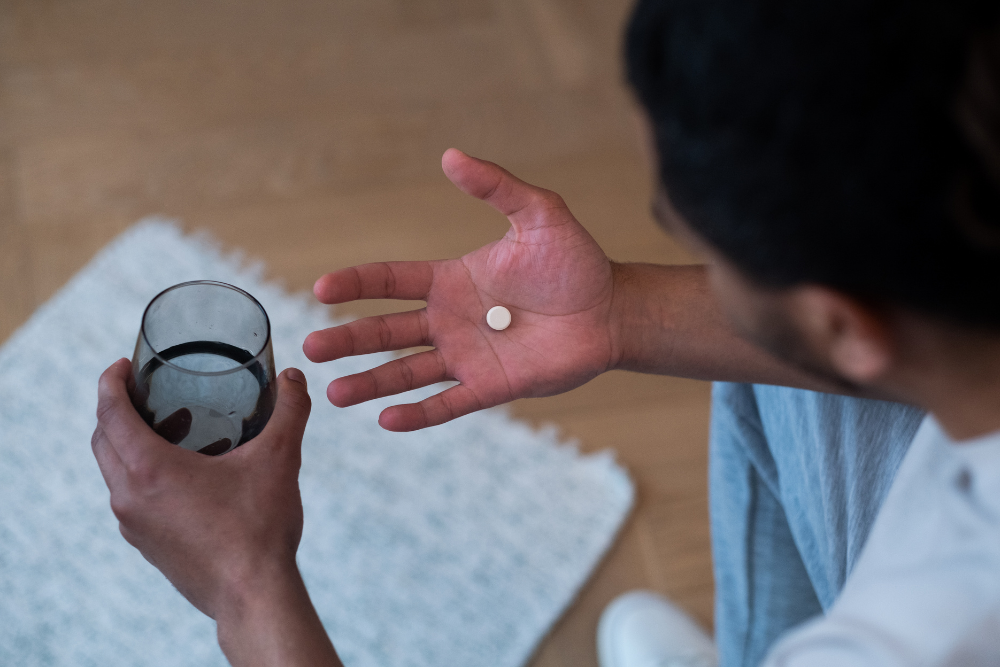
You can overdose on Flexeril if you take more than the prescribed dosage or misuse the medication. Misuse of Flexeril can occur for various reasons, including:
- Sedative effects: Flexeril can cause drowsiness and sedation. Some individuals may misuse it, seeking these calming effects.
- Euphoria: While not a primary effect, some individuals may misuse Flexeril with the hope of experiencing euphoria or a sense of well-being.
- Combination with other substances: Mixing Flexeril with a combination of other substances (such as alcohol or other drugs) to enhance the effects of one or both substances is dangerous and increases the risk of adverse reactions.
- Self-medication: Using Flexeril as a form of self-medication, attempting to alleviate stress, anxiety, or emotional discomfort. However, doing so without proper medical supervision can lead to unintended consequences.
- Lack of awareness: Improperly using Flexeril due to a lack of understanding of its potential risks and side effects, assuming that because it is prescribed, it is safe to use in any manner.
Preventing a Flexeril overdose starts with using the medication exactly as your doctor intended. Take only the amount you were prescribed, and avoid using it more often or for longer than recommended. Sticking to the guidance you were given is the safest way to protect yourself and keep the medication working as it should.
How Much Flexeril Does It Take to Overdose?
Since body weight, metabolism, health conditions, and other substances in the system all impact how the drug is processed, there is no universal Flexeril overdose amount that applies to everyone. Any intentional or accidental consumption above prescribed levels should be treated as medically serious and requires immediate professional attention.
Factors Impacting Flexeril Overdose
Several factors can influence the impact of a Flexeril overdose. Some key factors include:
- Dosage: The amount of Flexeril ingested is a crucial factor. Higher doses are more likely to result in severe symptoms and complications.
- Individual tolerance: Tolerance to medications can vary from person to person. Some people may be more sensitive to the effects of Flexeril, while others may have a higher tolerance.
- Age and health status: Age and overall health can affect how the body processes medications. Individuals who are older or have existing health conditions may be at a higher risk of experiencing the effects of an overdose.
- Interaction with other substances: Substances such as alcohol or drugs can interact with Flexeril and increase the risk of adverse effects. Combining Flexeril with other substances can amplify sedation and other central nervous system effects.
- Liver function: Flexeril is primarily metabolized in the liver. Individuals with impaired liver function may metabolize the drug more slowly, potentially leading to increased concentrations in the body.
- Time elapsed: The time that has elapsed since the ingestion of Flexeril can influence the severity of symptoms. Seeking medical attention promptly is essential to reduce the likelihood of complications.
What Are Flexeril Overdose Symptoms?
Cyclobenzaprine overdose signs and symptoms include:
- Severe drowsiness or sedation: Excessive drowsiness, lethargy, or difficulty staying awake may occur.
- Confusion: Overdose may lead to confusion or disorientation.
- Impaired coordination: Individuals may experience difficulties with coordination and balance.
- Slurred speech: Speech may become slurred or challenging to comprehend.
- Rapid or irregular heartbeat: Overdose can affect the cardiovascular system, leading to changes in heart rate.
- Hypotension (low blood pressure): Overdose may cause a significant drop in blood pressure.
- Nausea and vomiting: Gastrointestinal symptoms such as nausea and vomiting may occur.
- Seizures: In severe cases, an overdose of Flexeril can lead to seizures.
What Should I Do in the Case of a Cyclobenzaprine Overdose?
If you suspect a Cyclobenzaprine (Flexeril) overdose, seek emergency medical help right away. Call your local emergency number or poison control center, and do not wait for symptoms to worsen, as the individual who overdosed can deteriorate quickly.
While waiting for help, you should:
- Stay with the person and try to keep them awake and responsive.
- Provide as many basic details to the emergency services as you can: how much was taken, when, and whether alcohol or other drugs were involved.
- Do not force vomiting unless a medical professional instructs you to.
- If the person is unconscious, place them on their side to prevent choking.
After the immediate response to a Flexeril overdose, it’s crucial to think about long-term recovery. Addiction is a chronic disease and treating it effectively takes more than just surviving one incident. According to a federal study by NIDA and SAMHSA, about 17.4% of people who survive a nonfatal overdose had another nonfatal overdose within a year.
Without getting proper treatment like rehab or medication-assisted care, the risk of repeating the cycle remains high. That’s why connecting with a structured treatment program can make such a meaningful difference. It gives a person space to heal, rebuild stability, and learn tools that lower the risk of another overdose. Most importantly, it offers support so they don’t have to face recovery alone.
Preventing Flexeril Overdoses With Addiction Treatment
If you are experiencing Flexeril addiction or know someone who is, don’t hesitate to contact Avenues Recovery. We are here to guide you through every step of the journey. Our staff are experts in the field of addiction and have helped thousands of people reach recovery, and they are here for you too. Using personalized treatment plans and a variety of therapies, we make sure you receive the care best suited for your recovery.
Contact us today and begin your journey towards a brighter, happier and sober future.
FAQs on Flexeril Overdose
How often can you take Flexeril?
You can take Flexeril (cyclobenzaprine) up to 3 times per day, with each dose spaced about 8 hours apart. The typical dose is 5–10 mg taken orally, and treatment usually lasts no longer than 2–3 weeks due to the risk of side effects and dependence. Always follow your doctor’s instructions.
How much Flexeril can I take?
You should only take the amount of Flexeril prescribed by your doctor. The usual maximum dose is 10 mg, taken up to three times daily. Never exceed your prescribed dosage or frequency, as misuse increases the risk of side effects or overdose. Always follow your doctor’s instructions exactly.
Does mixing Flexeril and trazodone cause an overdose?
Mixing Flexeril and Trazodone increases the risk of central nervous system depression, which can lead to extreme drowsiness, confusion, slowed breathing, or overdose. While not always fatal, the combination can be dangerous. Always consult your doctor before taking these medications together.
Is a Flexeril overdose fatal?
A Flexeril overdose can be fatal when large amounts disrupt the heart rhythm or severely depress the central nervous system. Dangerous symptoms include seizures, cardiac arrest, and critically low blood pressure. Immediate emergency treatment reduces the risk of death. Always follow your doctor’s prescribed dosage.