

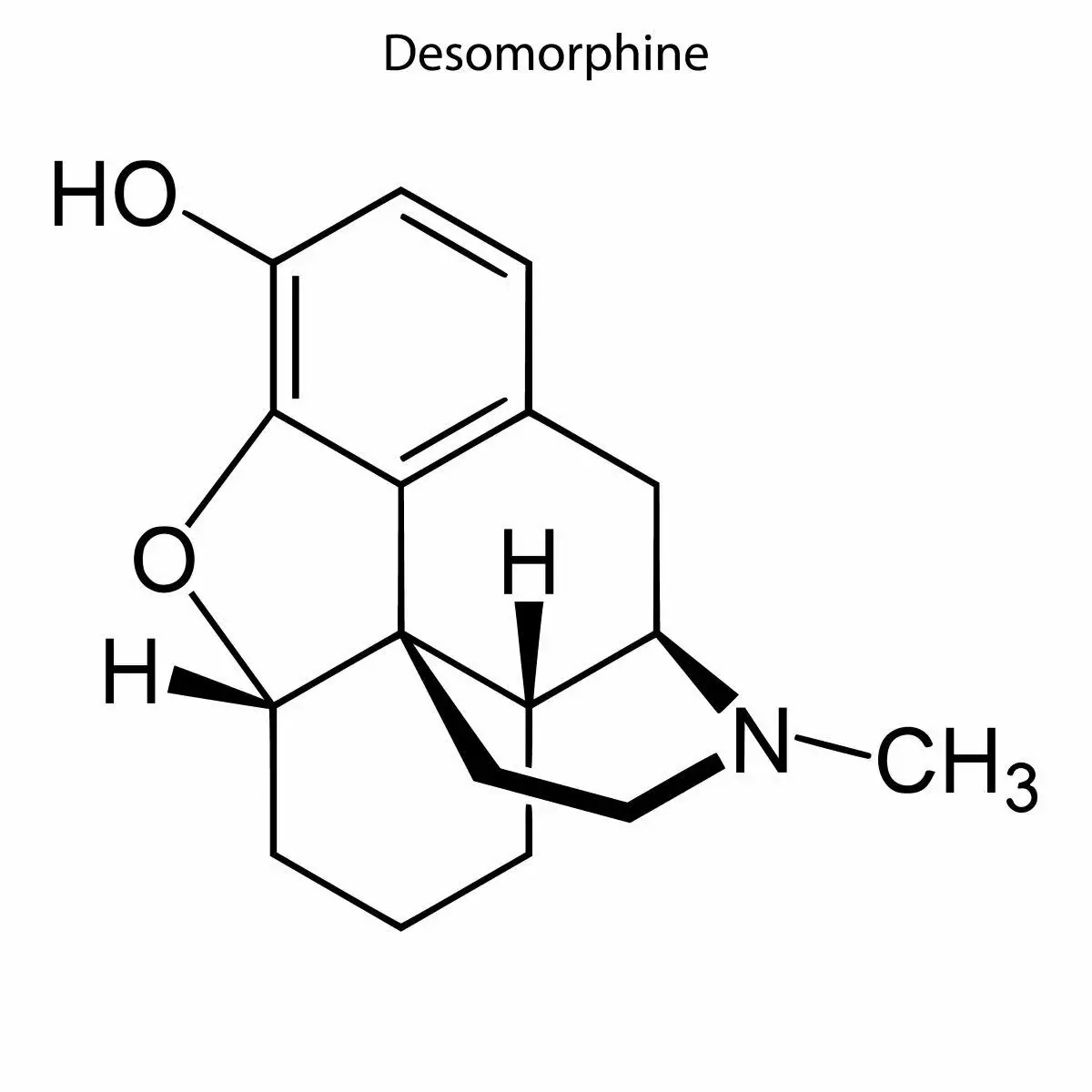
In recent years, the use of “tranq” in the United States has skyrocketed, causing severe sores, wounds, and even necrosis. But what is the European equivalent? The answer is Krokodil — a drug that, much like tranq, is often injected and can cause irreversible damage to the skin, organs, and overall health of those who use it.
At Avenues Recovery, we aim to educate on this topic to avoid speculation and rumors, and to give people the clear, factual information they need to stay safe and seek help when needed.
Key Takeaways
- Krokodil is a highly dangerous opioid made from codeine and toxic chemicals, notorious for its “flesh-eating” effects.
- Severe health risks include tissue damage, skin ulcers, gangrene, organ failure, infections, and high addiction potential.
- Krokodil causes both physical and psychological dependence, similar to other opioids, making recovery challenging without professional help.
- Use in the U.S. is extremely rare, primarily due to strict codeine regulations.
- Education and awareness help prevent misconceptions and rumors. Knowing the facts can protect individuals and communities from serious harm.
What Is Krokodil Drug?
Krokodil is a street name for desomorphine, a homemade opioid made from codeine and toxic chemicals like gasoline, paint thinner, or hydrochloric acid that gained popularity as a cheap substitute for heroin in some parts of Russia. It is called "Krokodil" due to the scaly, greenish-black appearance of the skin around injection sites that looks like the skin of a crocodile.
Other street names for desomorphine include:
- Poor man’s heroin
- Russian magic
- Krok
- Croc
- Crocodile the drug
- Gator drug
Krokodil became a significant public health concern in Europe and Russia due to its highly destructive effects on the body, including tissue damage, skin ulcerations, and serious infections. The use of Krokodil is associated with numerous health risks and a high potential for addiction. It is crucial to note that the production and use of Krokodil are illegal and pose serious dangers to the individuals involved. Also, Krokodil is a Schedule I drug, which means it has no medical benefits and a high potential for abuse.
How Is Krokodil Made and What Is It Made From?
Desomorphine (Krokodil) is produced from codeine but is made using a crude, toxic homemade process. Instead of being produced in proper labs, it’s often mixed together in makeshift settings using highly harsh chemicals found in household products such as gasoline, paint thinner, iodine, and strong acids. Because of this, the final mixture is extremely impure and harmful.
The codeine is usually taken from over-the-counter medicines or obtained illegally, and the rough way it’s processed is what makes Krokodil so risky. The drug is highly addictive, and its impurities can cause Krokodil drug wounds like infections, tissue death, and even gangrene, which is why it’s often called the “flesh-eating drug.”
What Does a Krokodil Addiction Look Like?
One of the most distinctive features of Krokodil addiction is the severe skin damage it causes. The drug can cause dark, scaly, unhealthy patches of skin that resemble crocodile skin, often referred to as “desomorphine skin.” Krokodil use often results in the formation of painful ulcers and abscesses at the injection site. Due to the impurities in the drug, users experience infections and tissue damage.
Other users may experience nausea and vomiting shortly after using the drug. Krokodil can cause dizziness, confusion, and impaired cognitive function.
What Are Some Krokodil Effects?
Tissue Damage: Krokodil is well-known for causing serious tissue damage at the injection site. Users often develop visible and painful skin ulcers, which can lead to the appearance of scaly, greenish-black skin, resembling a crocodile's skin.
Infections: The use of Krokodil is linked to a high risk of serious infections. Contaminants from the homemade production process, as well as unclean injection practices, can introduce bacteria and other pathogens into the body, leading to infections that can be difficult to treat.
Gangrene: The Krokodil drug, with its impurities and blood vessel constricting properties, not only narrows blood vessels but also poses a risk of causing vessel tightening, potentially leading to gangrene in users. Gangrene is the death of body tissue due to a lack of blood supply. In severe cases, gangrene can lead to amputation (removal of the affected limb).
Bone and Muscle Damage: Krokodil use can result in damage to the bones and muscles near the injection site. This can lead to long-term disability.
Organ Damage: The toxic chemicals used in creating Krokodil can harm internal organs, including the liver and kidneys, potentially causing the organs to stop working.
Addiction: Like other opioids, the gator drug is highly addictive. Users may develop a physical and psychological dependence on the drug, leading to compulsive drug-seeking behavior.
Effects of Long-Term Use of Krokodil Drug
Long-term Krokodil drug users can suffer from severe organ damage to the kidneys, liver, and cardiovascular system.
It’s important to keep in mind that injection drug use, especially with impure substances like Krokodil, increases the risk of infections, including bloodborne infections like AIDS and hepatitis.
What Are Krokodil Withdrawal Symptoms?
Common Krokodil withdrawal symptoms include:
- Anxiety
- Insomnia
- Irritability
- Skin infections
- Soft tissue infections
- Skin ulcerations
- Gangrene
- Necrosis (death of living tissue)
- Inflamed veins (thrombophlebitis)
- Muscle and Joint Pain
- Nausea and Vomiting
- Sweating
- Tremors
How Common is Krokodil Drug Abuse in the U.S.?
Krokodil drug abuse is extremely rare in the U.S. Despite media reports, The American Journal of Medicine reports that there have been no laboratory findings of Krokodil drug abuse in the U.S. The main reason that Krokodil use is not common in the U.S. is most likely because codeine is a controlled substance and therefore hard to get.
Recent reports show that Krokodil use in Russia was at its highest between 2010 and 2012. After Russia introduced a federal ban on over-the-counter codeine medications in 2012, use dropped sharply. At its peak, sources estimated around 100,000 people were using Krokodil, with some sensational claims suggesting up to 1 million. However, there were no reliable studies to confirm those higher numbers.
Later reviews of desomorphine note that the 2012 codeine ban “reduced but didn’t eliminate” its use. In other words, Krokodil became far less common than media headlines made it seem, but occasional cases and pockets of use continued to appear.
Treating the Addiction Problems in Our Communities
Thankfully, the Krokodil drug has not taken hold in the United States, but we still face our own challenges with substance abuse. If you or someone you know is struggling with drug use, Avenues Recovery is here to help. You don’t need to wait until it’s too late; reach out today so we can begin creating a personalized treatment plan focused entirely on guiding you toward a healthy, substance-free future.
FAQs on Krokodil Drug
How is Krokodil used?
Krokodil is usually injected. Due to its toxic impurities, injection can lead to infections, gangrene, and severe skin damage resembling crocodile skin.
How is Krokodil addiction treated?
Treatment includes medical detoxification, psychological counseling, behavioral therapy, support groups, inpatient or outpatient programs, holistic therapies, and structured aftercare planning. Early intervention improves recovery outcomes.
How addictive is Krokodil compared to heroin?
Krokodil is extremely addictive, often faster-acting and more physically damaging than heroin, with a high potential for both psychological and physical dependence.
Is Krokodil illegal in the United States?
Yes, Krokodil (desomorphine) is a Schedule I controlled substance in the U.S., meaning it has no approved medical use and a high potential for abuse.