


It is widely known that substance abuse during pregnancy may cause irreversible damage to the fetus. Recent findings have discovered a pattern in babies who endured a pregnancy where the mother was addicted to fentanyl, and the results leading to fetal fentanyl syndrome have been astonishing.
Avenues Recovery, experts in drug addiction and rehab, present these startling findings.
Key Takeaways on Fetal Fentanyl Syndrome
- Fentanyl is a powerful synthetic opioid used to treat severe pain, but it can cause drowsiness, respiratory depression, addiction, overdose, and death when misused.
- Fetal fentanyl syndrome was identified after clinicians observed a recurring pattern of birth defects and developmental abnormalities in children exposed to fentanyl during pregnancy.
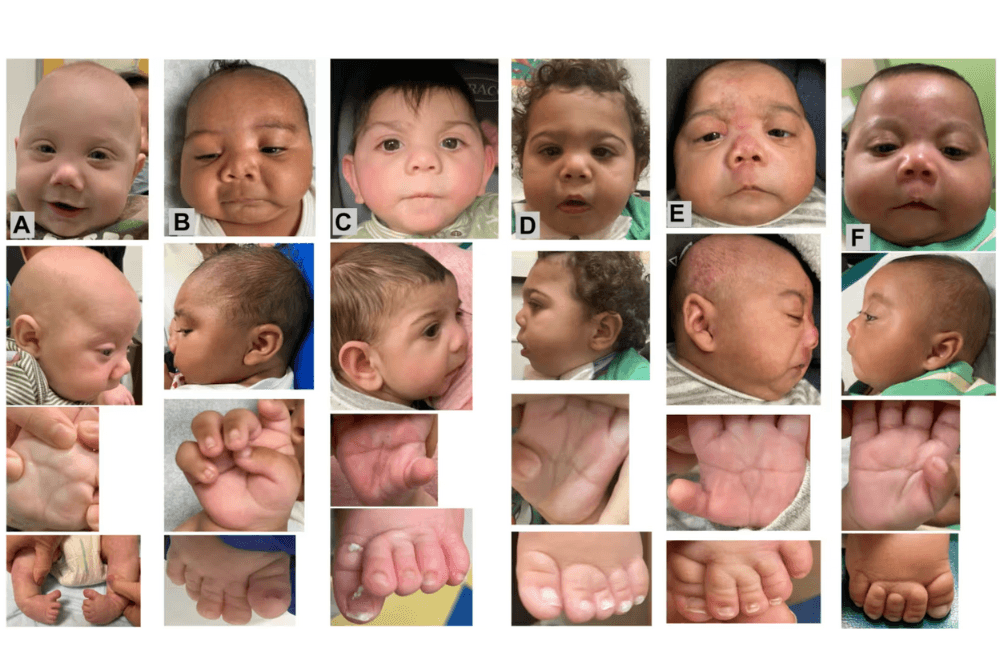
- Babies with fetal fentanyl syndrome may have distinctive facial characteristics, including a short nose, low-set ears, a thin upper lip, and other craniofacial differences.
- Prenatal fentanyl exposure is a growing public health concern because it can increase the risk of birth defects, developmental challenges, neonatal withdrawal symptoms, and long-term health complications.
What Is Fentanyl?
Fentanyl is a potent synthetic opioid drug that is used in the medical arena as a painkiller and an anesthetic. Fentanyl is similar to morphine in that they both act as a pain reliever, but dissimilar in that it is 50 to 100 times more potent. Fentanyl is also widely misused on the street, as it causes pleasurable immediate after-effects such as a euphoric ‘high,’ a sense of calm, or relief from debilitating pain. It can be taken as a pill or capsule, by injection, via a transdermal patch, by nasal spray, or with an eye dropper.
Long-Term Side Effects of Fentanyl Abuse
Unfortunately, there are also adverse side effects when misusing fentanyl for a prolonged period, some of which are dangerous. Some of these side effects include:
- Drowsiness
- Confusion
- Nausea
- Constipation
- Dizziness
- Breathing issues
- Muscle stiffness
- Irregular or slow heartbeat
- Sedation
- Unconsciousness
Another unfortunate outcome of self-medicating or using fentanyl is overdose. Fentanyl overdose occurs when such a high dose is taken that breathing slows and ultimately stops, resulting in too little oxygen reaching the brain. This is also known as hypoxia, a dangerous condition that can lead to death.
Fentanyl users are also at risk of becoming dependent on the drug, which can quickly escalate into a full-blown addiction.
Discovering Fetal Fentanyl Syndrome
Fetal Fentanyl Syndrome, also referred to as Fentanyl Baby Syndrome, was discovered by Erin Waldman, Erica Fernandez, and Karen W. Gripp at Nemours Children's Health after they noticed similar congenital abnormalities amongst several babies without a common genetic cause. When examining a baby born with congenital deformities in August 2022, Erin remembered seeing the same distinct features earlier in the year.
Though there is no definite research that proves the connection, the syndrome has been identified in ten infants who all had fentanyl exposure during pregnancy. The babies all tested positive for fentanyl, but since some of the mothers were using other illicit drugs, it’s difficult to pin fentanyl as the definite cause of the syndrome. Additionally, fentanyl can be laced with other illegal substances that the user is unaware that they are consuming at all, making the study more complex.

Facial Features of Babies With Fentanyl Syndrome
The ten babies whose mothers reported using fentanyl in pregnancy were all said to be born with similar distinct features. (All ten babies themselves also tested positive for fentanyl when born.) The babies tested negative for Smith-Lemli-Opitz syndrome, a genetic condition that has similarities to the effects of fentanyl on a baby.
Below are the fentanyl baby features that presented in all ten infants:
- Smaller heads
- Clubbed, conjoined toes
- Cleft palate
- Short, broad thumbs
- Drooping eyelids
- Upturned noses
- Undersized lower jaws
- Single palmar crease
What Causes Fetal Fentanyl Syndrome?
Early findings have hypothesized that fentanyl causes disruptions to cholesterol metabolism, similar to the way Smith-Lemli-Opitz syndrome is developed in babies during pregnancy. The next step in the research process would be to examine the effects of fentanyl on pregnancy and whether or not it can cause damage to cholesterol metabolism. Research will also have to uncover how much fentanyl the womb must be exposed to in order to cause Fentanyl Baby Syndrome, and why some fentanyl babies have birth defects, while others don’t.
The Future of Children Born With Fentanyl Baby Syndrome
The ten children in the study have a long road ahead of them. Predictably, they will need intense physical and occupational therapy to help them function like normal children. Because their joints aren’t fully formed, they will have trouble walking and holding things, among other developmental and physical issues.
Fentanyl babies’ birth defects include feeding difficulties, which will most likely necessitate a feeding tube as they grow. Communication (speaking) is another big hurdle these children will have to overcome. The children will also need corrective surgeries and other interventions to deal with the deformities, heal their respiratory issues, and resolve other issues associated with this syndrome.
The Crisis of Fentanyl Exposure in Babies
The problem of women using drugs during pregnancy is widespread and concerning. Most women know that consuming illicit substances while pregnant is harmful to the unborn baby, but only a tiny percentage of women enter addiction treatment.
Many issues are caused by using drugs during pregnancy, such as stillbirth, birth defects, and neonatal abstinence syndrome, where babies born with fentanyl or other drug exposure experience withdrawal symptoms at birth. This is because their bodies have become dependent on the drug the mother was taking during pregnancy.

Help to Prevent Fetal Fentanyl Syndrome
As with any addictive substance, professional intervention is needed to help people wean off fentanyl safely and stay sober for the long term. At Avenues Recovery, we offer one-on-one and group therapies, holistic therapies, and other beneficial programs that use the latest techniques, delivered by our most professional staff, to help our patients achieve a drug-free life.
If you are struggling with a fentanyl addiction and hoping to avoid fetal fentanyl syndrome, take the first step towards recovery by reaching out to Avenues. Our talented and dedicated staff have helped thousands of people overcome their addictions, and they can help you too. Reach out today to start your journey.
Frequently Asked Questions on Fetal Fentanyl Syndrome
Is fentanyl safe in pregnancy?
Fentanyl use during pregnancy requires medical supervision. Doctors may use fentanyl for pain management when the benefits outweigh the risks. Regular or non-prescribed fentanyl use can increase the risk of neonatal opioid withdrawal syndrome, preterm birth, and other complications.
What are the long-term effects of fentanyl exposure in utero?
Long-term effects of fentanyl exposure in utero can include developmental, behavioral, and learning challenges. Outcomes vary based on opioid dose, duration of exposure, prenatal care, genetics, and environmental factors after birth.
How does fentanyl affect the fetus during labor?
Fetal effects can include temporary changes in heart rate, reduced movement, and respiratory depression after birth if exposure occurs close to delivery or at high doses. When used in medically supervised doses for labor pain, fentanyl is generally considered safe and effective.