

Key Takeaways:
- Meloxicam is not addictive and does not cause opioid-like cravings or withdrawal.
- It reduces pain and inflammation by blocking chemicals that cause swelling.
- Taking too much can increase the risk of serious side effects and drug interactions.
Is Meloxicam Addictive?
No. Meloxicam is not physically addictive like opioid pain medications.
If you're worried because someone you love has been taking meloxicam regularly, it's understandable to wonder whether they could become addicted. The good news is that meloxicam doesn’t cause the cravings, euphoria, or physical dependence that opioids like oxycodone, hydrocodone, or fentanyl can cause. Most people can stop taking meloxicam without experiencing withdrawal symptoms.
That said, any medication can become unsafe if it isn't taken as directed. While meloxicam doesn't carry the same addiction risks as narcotics, taking more than prescribed or combining it with certain other medications can increase the risk of serious side effects.
If you or a loved one is addicted to pain meds, reach out to us at Avenues so we can guide you on your road to recovery.
What Is Meloxicam?
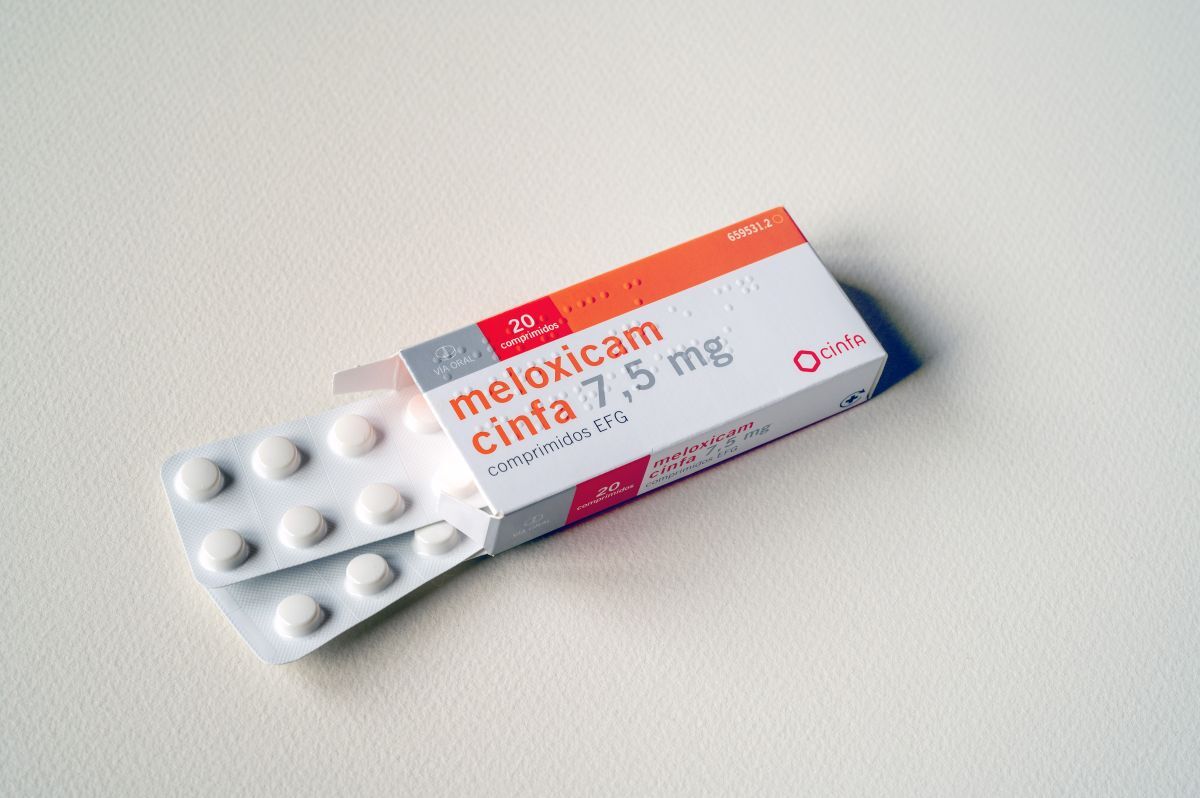
Meloxicam is a nonsteroidal anti-inflammatory drug (NSAID). Doctors often prescribe it to reduce pain and inflammation caused by conditions like arthritis. Unlike opioid pain medications, meloxicam treats inflammation rather than changing the way the brain processes pain.
Because it works differently than narcotics, meloxicam is not a controlled substance and is generally considered to have a low risk of misuse related to addiction.
What Is Meloxicam Used For?
Meloxicam is prescribed to treat pain and inflammation, especially when chronic joint conditions cause those symptoms. It doesn't simply mask pain—it helps reduce the inflammation that's contributing to it.
Your loved one's doctor may prescribe meloxicam for:
- Osteoarthritis
- Rheumatoid arthritis
- Juvenile idiopathic arthritis
- Joint pain and stiffness
- Inflammation that makes everyday movement painful
Because it is intended for ongoing pain rather than sudden severe pain, meloxicam is usually taken once a day and works best when taken exactly as prescribed.

How Meloxicam Works
Meloxicam works by blocking enzymes in the body called cyclooxygenase (COX) enzymes, particularly COX-2. These enzymes help produce prostaglandins, chemicals that contribute to pain, swelling, and inflammation.
By reducing prostaglandin production, meloxicam decreases inflammation, making joints less painful and easier to move. It does not affect opioid receptors in the brain or produce a "high."
Why Isn't Meloxicam a Narcotic?
Meloxicam is not a narcotic because it works in a completely different way than opioid medications.
Narcotics attach to opioid receptors in the brain and spinal cord, changing how the body experiences pain while also producing pleasurable effects that can lead to dependence. Meloxicam reduces inflammation at its source instead. Because of this, it is not classified as a controlled substance and is not considered addictive.
How Is Meloxicam Different From Opioids?
Although both medications can help relieve pain, they work very differently.
Meloxicam reduces inflammation that causes pain, while opioids change how the brain perceives pain. Opioids carry a significant risk of tolerance, dependence, and addiction. Meloxicam generally does not.
However, that doesn't mean meloxicam is risk-free. Long-term or improper use can still lead to serious health complications.
Can Meloxicam Be Misused?
Yes, but misuse is different from addiction.
Someone may misuse meloxicam by taking higher doses than prescribed, taking it more often than directed, combining it with other NSAIDs like ibuprofen or naproxen, or continuing to take it despite serious side effects. These behaviors increase the risk of complications but do not usually indicate addiction.

Common Side Effects of Meloxicam
Many people take meloxicam without major problems, but side effects can occur.
Common side effects include:
- Upset stomach
- Heartburn
- Nausea
- Diarrhea or constipation
- Headache
- Dizziness
- Mild swelling
If these symptoms continue or become bothersome, you or your loved one should talk with their healthcare provider.
What Are the Worst Side Effects of Meloxicam?
Although very uncommon, meloxicam can sometimes cause serious complications that require immediate medical attention.
The most serious risks include:
- Stomach ulcers and gastrointestinal bleeding
- Heart attack or stroke, especially with long-term use
- Kidney damage or worsening kidney function
- Severe allergic reactions
- Liver problems
- Dangerous increases in blood pressure
Seek emergency medical care if your loved one develops vomiting of blood, black or tarry stools, chest pain, sudden weakness, difficulty speaking, severe shortness of breath, swelling of the face or throat, or little to no urine output.
Drug Interactions to Know About
You may wonder, can you take ibuprofen with meloxicam?
Be especially careful when combining meloxicam with:
- Ibuprofen (Advil)
- Naproxen (Aleve)
- Aspirin (unless directed by a doctor)
- Blood thinners such as warfarin
- Corticosteroids
- Certain blood pressure medications
- Some antidepressants (SSRIs and SNRIs)
- Diuretics ("water pills")
Taking more than one NSAID at the same time can significantly increase the risk of stomach bleeding and kidney injury.
When Does Meloxicam Become Unsafe?
The biggest concern with meloxicam usually isn't addiction—it's safety.
Use may become unsafe if your loved one takes higher doses of meloxicam than prescribed, or uses it longer than recommended without medical supervision. Meloxicam also should not be used by someone who has kidney disease, stomach ulcers, heart disease, or uncontrolled high blood pressure. Combining Meloxicam with other NSAIDs, or continuing taking it despite warning signs like stomach bleeding or severe swelling, can be very dangerous as well.
When Should You Seek Medical or Professional Help?
If you're worried about your loved one's medication use, trust your instincts.
Contact a healthcare provider if they develop signs of stomach bleeding, notice swelling or reduced urination, experience chest pain or symptoms of a stroke, or are taking meloxicam with multiple pain medications without medical guidance.
If your concern is that your loved one has moved beyond meloxicam and is misusing opioid pain medications or showing signs of dependence, reaching out to an addiction treatment professional can help you understand your options. A simple phone call can answer your questions, explain what treatment involves, and help you decide on the safest next step for your family. If you or a loved one is addicted to pain meds, reach out to us at Avenues so we can guide you on your road to recovery.
FAQ:
-
Is meloxicam addictive?
No. Meloxicam is not addictive and does not cause the cravings or physical dependence associated with opioid pain medications.
- What is meloxicam used for?
Meloxicam is used to treat pain and inflammation caused by conditions such as osteoarthritis, rheumatoid arthritis, and other joint problems. - How does meloxicam work?
Meloxicam blocks COX enzymes that produce chemicals responsible for pain and inflammation, helping reduce swelling and discomfort. - Is meloxicam a narcotic?
No. Meloxicam is a nonsteroidal anti-inflammatory drug (NSAID), not a narcotic, and it does not work on opioid receptors in the brain. - Can meloxicam be dangerous?
Yes. Although it is not addictive, taking meloxicam incorrectly or combining it with certain medications can increase the risk of serious side effects, including stomach bleeding, kidney damage, and heart problems.