

Key Takeaways:
- Imodium stops diarrhea by slowing the intestines, which makes stools firmer and reduces bathroom trips.
- It usually starts working within about an hour and can last 8–12 hours.
- Taking large amounts of Imodium can be dangerous and may be a sign of addiction.
What Does Imodium Do?
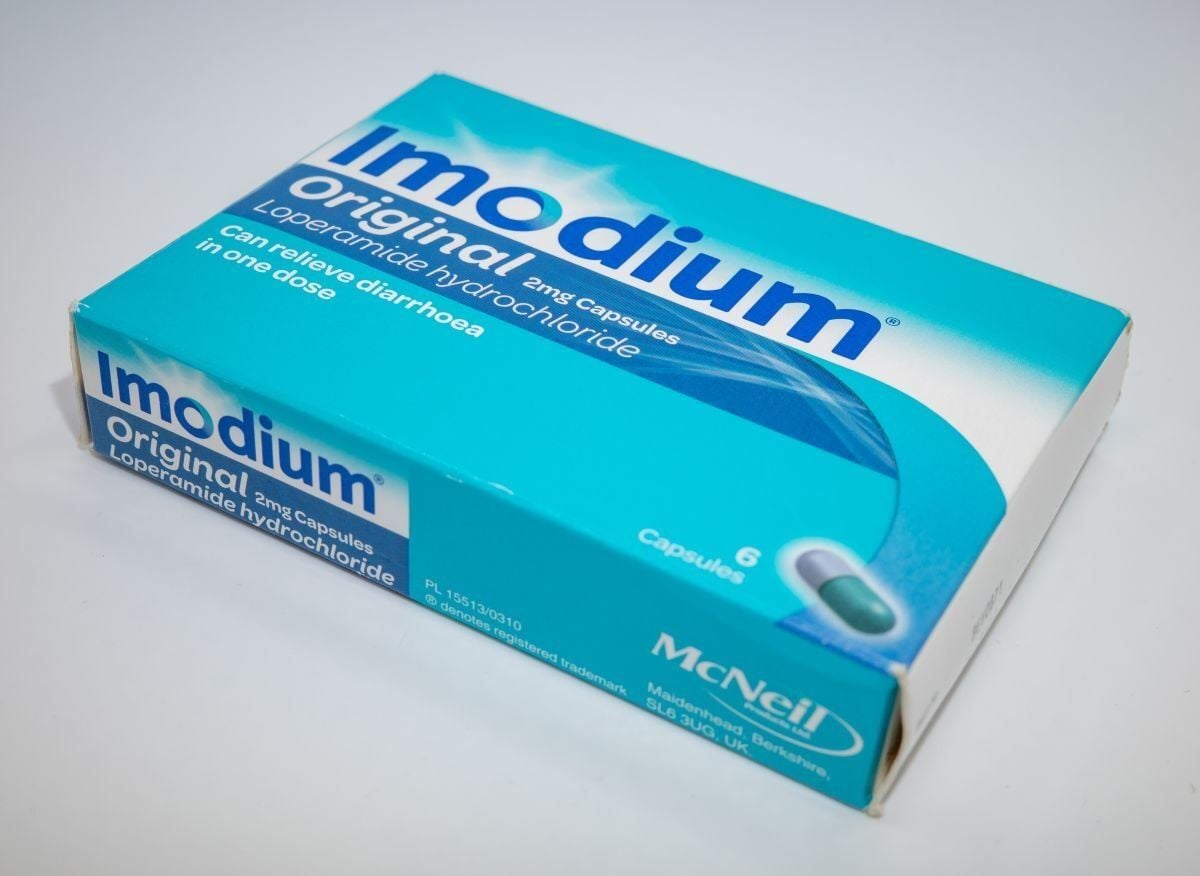
Imodium is an over-the-counter medication used to treat diarrhea. Its active ingredient, loperamide, works by slowing the movement of the intestines so the body has more time to absorb water, making stools firmer and less frequent. When taken exactly as directed, it is generally safe and effective for short-term relief of diarrhea.
If you're concerned about someone you love taking Imodium, it's natural to wonder whether it's harmless or a sign of something more serious. While most people use it safely, misuse can happen - especially when people are trying to wean off of opium.
If you or a loved one struggles with addiction to over-the-counter medications, Avenues can help you take the first step toward recovery.

How Long Does Imodium Take to Start Working?
Imodium usually begins working within about one hour, and many people notice fewer trips to the bathroom fairly quickly. The medication continues working as it moves through the digestive system, helping control diarrhea over the next several hours.
The exact timing can vary depending on the cause of diarrhea, Imodium dosing, stomach fullness levels, and individual differences in digestion. Even if symptoms improve quickly, it's important to follow the dosing instructions and avoid taking more than recommended.
How Long Do the Effects of Imodium Typically Last?
For most people, the effects of a standard dose last between 8 and 12 hours. During that time, bowel movements usually become less frequent, and stools become firmer as the intestines slow down.
Some people need only one or two doses, while others may need additional doses according to the package directions or a healthcare provider's instructions. If diarrhea continues for more than two days despite treatment, medical evaluation is recommended because another condition may be causing the symptoms.
Imodium Half-Life Explained in Simple Terms
A medication's half-life is the amount of time it takes for half of the drug to leave your body. For Imodium, the average half-life is about 11 hours, although it can range from roughly 9 to 14 hours depending on the person.
This doesn't mean the medication is completely gone after 11 hours. It takes several half-lives for most of the drug to be eliminated, which is why small amounts may remain in the body for a day or two after the last dose.
How Does the Body Process and Eliminate Loperamide?
After you swallow Imodium, it is absorbed from the digestive tract and processed primarily by the liver. The liver breaks the medication down into substances that can be safely removed from the body.
Most loperamide leaves the body through the stool, with only a very small amount excreted in the urine. This is one reason the medication mainly affects the digestive system when used as directed.
How Long Does Imodium Last in Your System?
You may be wondering, “How long does Imodium stay in your system?” For someone taking normal doses, most Imodium is cleared from the body within two to three days. While its effects usually wear off much sooner, small amounts of the medication can remain in the body after the diarrhea has improved.
If someone has been taking very large doses or using Imodium regularly over a long period, the medication may remain in the body longer. This is because the body's ability to process and eliminate the drug can become overwhelmed.

Can Imodium Be Detected on Drug Tests?
Routine workplace drug tests generally do not test for loperamide. Specialized laboratory testing can detect it in blood, urine, or stool, but these tests are uncommon and are usually ordered only in specific medical, forensic, or research situations.
If doctors suspect an overdose or unexplained symptoms, they usually focus on the person's condition rather than ordering a specific loperamide test. The decision depends on the circumstances and what information will help guide treatment.
What Factors Affect How Quickly Imodium Leaves the Body?
Several factors influence how long Imodium stays in the system. Older adults, people with liver disease, and those with slower metabolism may clear the medication more slowly than healthy younger adults.
The amount taken, how often it is used, and whether someone has been misusing the medication also make a difference. Higher doses and repeated use can extend the amount of time loperamide remains in the body and increase the risk of harmful effects.
Therapeutic Use vs. Misuse: When Should You Be Concerned?
When taken exactly as directed, Imodium is considered a safe, effective treatment for short-term diarrhea. Problems arise when someone takes much higher doses than prescribed.
If you're worried because your loved one is taking unusually large amounts of Imodium, hiding their use, or using it to treat opiate withdrawal, which it is not intended for, trust your instincts.
Seek emergency medical care right away if they have:
- Chest pain
- Breathing difficulty
- Severe dizziness
- Fainting
- Irregular heartbeat
If your loved one is using Imodium to cope with opioid withdrawal or addiction, our professionals at Avenues are one phone call away.
FAQ’s
-
What is the active ingredient in Imodium and how does it function?
The active ingredient is loperamide, which slows down intestinal movement to firm stools. -
How long does it typically take for Imodium to start working?
Imodium usually begins working and reducing bathroom trips within about one hour. -
How long do the effects of a standard dose of Imodium last?
For most people, the effects of a standard dose last 8 to 12 hours. -
What is the average half-life of Imodium in the human body?
The average half-life is about 11 hours, ranging from 9 to 14 hours. -
Within how many days is a normal dose of Imodium completely cleared from the body?
For someone taking normal doses, most Imodium is cleared from the body within two to three days.