


Addicts often lie because addiction fuels shame and fear, changes brain function, and pushes them to hide behaviors connected to their addiction. As the loved one of an addict, it may be very frustrating and disappointing when the addict lies constantly. At Avenues Recovery, we help families understand why addicts lie and manipulate.
Key Takeaways
- Addicts may lie because addiction can trigger shame or fear, due to emotional overwhelm, and because of neurological changes that affect judgment and honesty.
- Loved ones may unintentionally enable addictive behaviors by shielding the person from consequences.
- Compassionate, nonjudgmental communication makes it easier for someone struggling with addiction to be honest.
Addicts and Lying: Why Do Addicts Tend to Lie?
There are many reasons why addicts may lie, and some may have multiple motivations for doing so. Here are some common reasons that explain why addicts lie so often.
Shame
Shame is a big motivation for many addicts. They are simply too ashamed of their lack of restraint or apparent moral failings to admit, even to their loved ones, the extent of their addiction.
Resisting Change
Although most addicts know that they want to stop their destructive behaviors ‘one day,’ they are often too afraid to shake things up and make big changes in their lives to achieve that goal. Additionally, addictive behaviors may be so ingrained within them that they can’t imagine life without addiction. It’s easier for them to lie about it and pretend they aren’t really addicted.
To Keep Using
Addicts are wired to prioritize their addictive behaviors above all else, regardless of the consequences. They will lie to free up more time to engage in their addictive behaviors, come up with more money for substances, or throw people off their scent. The goal is to get everything else in their lives out of the way so they can continue using in peace.
Inability to Deal With Negative Emotions
Addicts escape difficult emotions by using their go-to drug. Admitting to their addiction means that they have to deal with shame, stress, and many other uncomfortable feelings. Feeling unequipped to face their difficult emotions head-on, they may resort to lying and covering up the addiction instead.
Fear
Addicts may be afraid to lose relationships, jobs, and the respect of people around them if they own up to their addiction. They may also worry about getting in trouble with the law if they tell anyone about their addiction problem.
Brain Changes
Using alcohol and drugs for a prolonged period causes physical and psychological changes, which can lead to actual distortions of reality in an addict’s mind.
How Substances Change the Brain (And Cause Addicts to Lie)
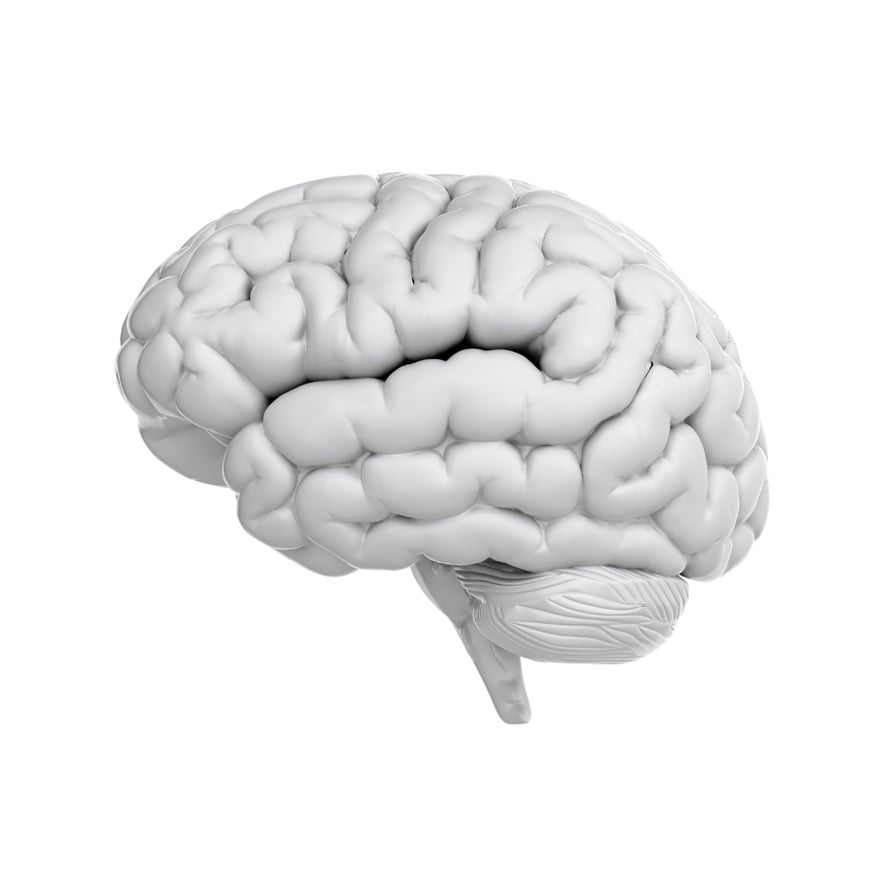
Prolonged misuse of addictive substances often causes physical damage to the brain that can contribute to addicts lying. Drugs and alcohol trigger an increase in dopamine, which results in euphoria. Over time, the body adapts to the higher level of dopamine and relies on it to function. The addict needs higher and higher levels of dopamine just to reach baseline.
Once the addict has reached a certain level of tolerance, they will no longer have the ability to experience pleasure without outside assistance. At this point, the addict may lie, steal, or engage in other destructive behaviors in order to continue using, because otherwise, they have little or no joy in life.
Studies also show that substance misuse, in particular of alcohol, can cause damage to parts of the brain, such as the frontal lobe. These changes can increase the potential for risky behaviors and lying. This is one reason why alcoholics lie. This link between alcoholics and lying focuses on actual structural changes as opposed to psychological reasons for dishonesty.
How To Deal With an Addict Who Lies

When addicts lie, it usually has deeper roots. Understanding why addicts play the victim and lie seemingly shamelessly can help you respond with more clarity and calm.
Shift Your Perspective
It may help to remember that the addict isn’t lying to hurt you. The dynamics behind why addicts lie and manipulate are usually rooted in the disorder itself, not a lack of care for the people around them. Acknowledging your own feelings first can make it easier to approach the situation more calmly. You may then find it easier to respond with understanding rather than blame or confrontation.
Create a Safe Space
The more confrontational and suspicious the interactions feel, the harder it can be for your loved one to open up. Creating a safe space for your loved one to share by showing love, acceptance, and compassion can make it easier for them to be honest. You don’t have to approve of or accept the negative behaviors, but you can care for your loved one and recognize the positive aspects of who they are.
Use Gentle Encouragement
Trying to pressure or force an addict to change rarely works. Being supportive and encouraging can help your loved one realize that a more stable, healthier lifestyle is within reach.
Get Help for Yourself
Supporting someone with addiction can be emotionally exhausting, and you shouldn’t navigate it alone. Reaching out for your own support can make a huge difference. Avenues Recovery offers family addiction counseling that helps loved ones understand the process, set healthy boundaries, and feel less isolated as they support someone in treatment.
What NOT To Do if Your Loved One Lies
There is little point in confronting an addict and trying to force them to tell the truth. For the reasons listed above, an addict may be almost incapable of that. Confronting the addict just invites more lies to cover up the previous lies. Criticism or badgering is rarely useful, either.
It’s also very important not to personalize the lies your loved ones say. They are suffering from a chronic disease but don’t have the tools needed to deal with it, so they resort to lying, denial, and deceit.
Avoid Being an Enabler
“Enabling behaviors” refers to actions that unintentionally make it easier for your loved one to avoid taking responsibility, which can accidentally allow the addiction to continue. A workmate may cover up for an addicted colleague, a spouse may lie to family and friends about the addict's whereabouts at an important function, or a family member may pay an addict’s bills to avoid them losing electricity and water.
These actions allow the addict to continue practicing their destructive behaviors because their loved one is absorbing the consequences for them. This dynamic can also play a role in patterns of addiction and pathological lying, as honesty becomes more difficult when someone isn’t facing the results of their actions.
Sometimes, loved ones hope the addict will realize how much harm their addiction causes and choose recovery, while unintentionally keeping them from hitting rock bottom, in that way prolonging the addiction. Covering up for an addict helps the addiction continue.
How to Tell if an Addict is Lying
Every person lies differently, so it’s hard to know if your loved one suffering from addiction is lying to you. While the idea that addicts and alcoholics lie about everything is common, the reality is more nuanced. That said, these signs can give you a clue that something may not be right in the conversation:
- Being very vague
- Saying things that don’t make sense based on other information you have
- Avoiding eye contact
- Repeating the question you asked to give themselves time to think of a response
Treatment for Substance Misuse
Supporting someone with addiction is tough, but you don’t have to do it alone. Avenues Recovery offers clinically proven treatment, compassionate support, and a team of experienced professionals who understand how addiction affects both addicts and their families, including the complex dynamics of why drug addicts lie. Reach out to Avenues Recovery today to learn more about how we can help.
FAQs: Why Do Addicts Lie?
What is typical addict behavior in relationships?
Typical addict behavior in relationships can include secrecy, mood swings, broken promises, and pulling away from loved ones. These behaviors often come from the addiction itself, not from a lack of love or intention to hurt anyone. With support, understanding, and clear boundaries, both you and your loved one can find a healthier way forward.
Can a relationship survive addiction?
Yes, a relationship can survive addiction, but it usually requires boundaries, support, and professional help. Recovery is a difficult process, and both partners may need guidance to rebuild trust and communication. With commitment, support, and access to the right resources, many relationships grow stronger over time.
Can an addict ever change?
Yes, an addict can change, especially with the right treatment, support, and willingness to engage in recovery. Change doesn’t happen overnight, but many people rebuild their lives, repair relationships, and maintain long-term sobriety.
Why do addicts blame others for their problems?
Addicts may blame others for their problems because denial, shame, and the effects of addiction can make it hard for them to face what’s really happening. This kind of defensiveness is often a way to protect themselves from overwhelming emotions or consequences.
What does a high-functioning addict look like?
A high-functioning addict is someone who appears to manage daily responsibilities like work, family, or social obligations, while secretly struggling with substance use. They may seem put-together on the surface, but they rely on hiding the extent of their addiction. Over time, high-functioning addiction becomes harder to maintain.