

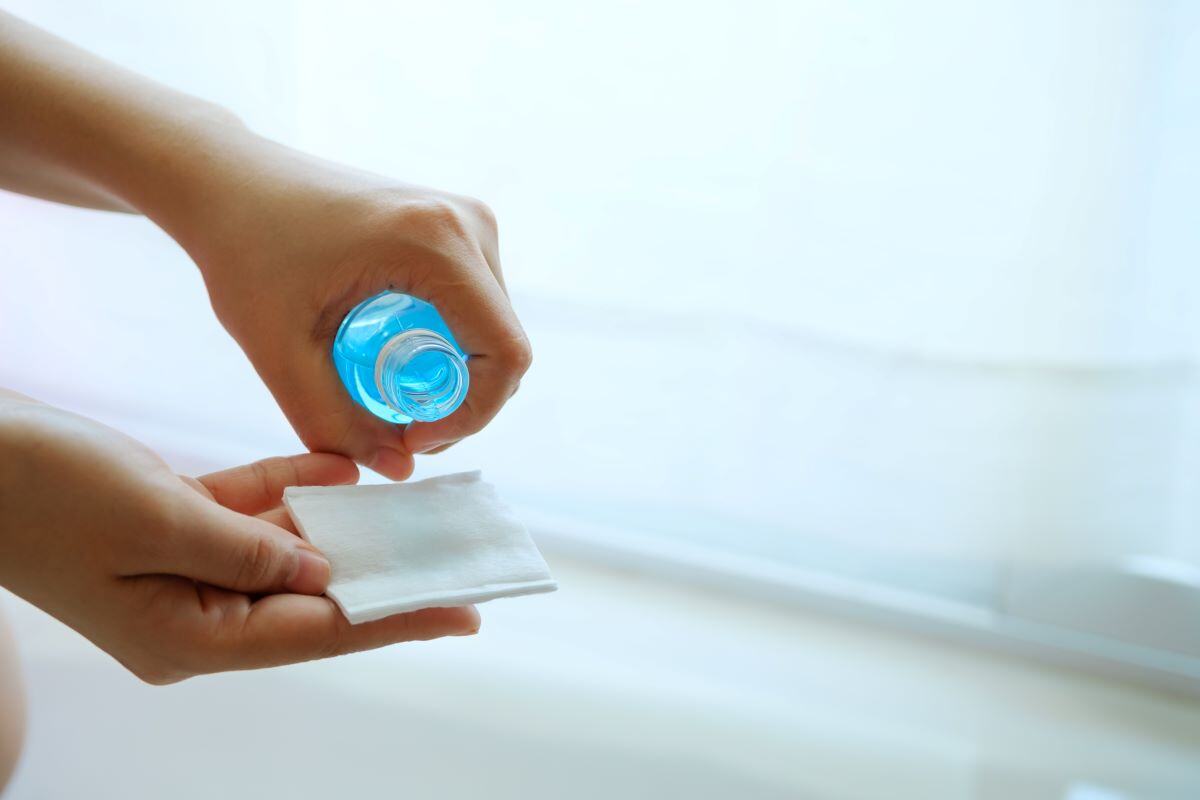
Drinking rubbing alcohol is very dangerous, and should never be done. Rubbing alcohol usually contains isopropyl alcohol, which is highly toxic and unsafe for the human body. Drinking rubbing alcohol can cause bleeding in the stomach and intestines. It also poses a risk to the liver and kidneys, with the possibility of long-term organ damage.
Immediate medical attention is needed if someone drinks rubbing alcohol, as the consequences can be life-threatening. Rubbing alcohol is meant for external use only and should never be drunk under any circumstances.
In this article, Avenues Recovery discusses what happens if you drink rubbing alcohol.
Key Takeaways: Can You Drink Rubbing Alcohol?
- Rubbing alcohol (isopropyl alcohol) is twice as toxic as drinking alcohol and can damage a person’s health.
- Individuals desperate for the effects of a drink might turn to rubbing alcohol since it’s more accessible.
- Isopropyl alcohol is harmful to multiple body functions, including the stomach, intestines, liver, kidneys, and central nervous system.
- In case of suspected isopropyl alcohol ingestion, call Poison Control immediately at 1800-222-1222.
- Avenues Recovery can help you break free from the shackles of substance abuse.
What’s the Difference Between Rubbing Alcohol and Drinking Alcohol?
Rubbing alcohol, also known as isopropyl alcohol (IPA), is a clear liquid with a strong odor. It’s twice as toxic as ethanol (drinking alcohol) and gets metabolized into acetone rather than regular alcoholic byproducts, making it unsafe for consumption. Rubbing alcohol is mainly used as a disinfectant (a chemical that kills germs) and as a solvent (a liquid that dissolves other substances).
As a disinfectant, rubbing alcohol is used to clean skin before injections, which helps reduce the risk of infection. It is also used to sterilize medical instruments, especially in situations where using high heat is not possible. In homes and healthcare settings, it is commonly used to disinfect surfaces, ensuring they are free from harmful germs.
As a solvent, rubbing alcohol is used as an ingredient in products like mouthwashes and hand sanitizers. In cosmetics, it is found in items such as aftershave lotions, makeup, and nail polish removers. Additionally, in the electronics industry, it is used to clean electronic devices and components by dissolving inks, oils, and resins.
Why Do People Drink Rubbing Alcohol?
People may drink rubbing alcohol because it is stronger and absorbed in the bloodstream faster than regular drinking alcohol (ethanol). Some individuals drink it to intoxicate themselves, while others may use it as a means of self-harm. Alcoholics might turn to rubbing alcohol in an attempt to achieve a more intense high.
Another reason why people turn to rubbing alcohol is its accessibility. Rubbing alcohol is cheaper and easier to obtain than drinking alcohol. For example, a 16-ounce bottle of rubbing alcohol costs little more than a dollar and can be bought at any time of the day from a 24-hour drug store regardless of age. Someone who is craving a drink but can’t access drinking alcohol may turn to rubbing alcohol in desperation, thinking theyyou can drink rubbing alcohol to get the same effects. as drinking alcohol.
What Happens If You Drink Rubbing Alcohol?
Drinking rubbing alcohol is highly dangerous and can be life-threatening, leading to severe health complications or even death. Rubbing alcohol could have damaging effects on the stomach, intestines, liver, kidneys, and the central nervous system.
When consumed, rubbing alcohol can cause symptoms such as:
- Dizziness
- Headaches
- Abdominal pain
- Nausea
- Vomiting
- Diarrhea
More severe effects include:
- Difficulty breathing
- Confusion
- Coma
- Death
Can Rubbing Alcohol Get You Drunk?
Yes, you can get drunk on isopropyl alcohol. According to Poison Control, someone who has intentionally swallowed rubbing alcohol can become drunk. Unlike ethanol, the type of alcohol found in beverages, isopropyl alcohol is a toxic substance that can cause serious harm if ingested. People might turn to rubbing alcohol in moments of desperation, hoping it might mimic the effects of drinking alcohol. But even though it may induce drunkenness, its effects on the body are very different and much more dangerous.
Can You Die From Drinking Rubbing Alcohol?
Yes, you can die from drinking rubbing alcohol. Death is the most extreme risk that may result from drinking rubbing alcohol. But isopropyl alcohol is harmful to the body in several ways.
Here are the key dangers and risks associated with ingesting rubbing alcohol:
Toxicity and Poisoning
Isopropyl alcohol is highly toxic when ingested. It can cause symptoms such as abdominal pain, nausea, vomiting, diarrhea, headache, dizziness, and confusion. In severe cases, it can lead to coma, respiratory depression, and death.
Central Nervous System Depression
Isopropyl alcohol acts as a central nervous system depressant. It can cause severe sedation, confusion, stupor, and even respiratory arrest, which can be fatal if not treated promptly.
Metabolic Acidosis
The body turns isopropyl alcohol into acetone, which can lead to metabolic acidosis. This condition disrupts the body's acid-base balance, causing symptoms like rapid breathing, fatigue, and shock.
Stomach Problems
Isopropyl alcohol is a potent irritant to the gastrointestinal tract. Ingesting it can cause severe irritation and inflammation of the stomach lining and intestines, leading to internal bleeding and other complications.
Liver and Kidney Damage
Prolonged exposure to isopropyl alcohol can cause significant liver and kidney damage, as these organs are responsible for metabolizing and excreting the toxin. This can result in long-term organ dysfunction or failure.
Risk of Aspiration
Vomiting induced by ingesting isopropyl alcohol increases the risk of aspiration, where vomit enters the lungs. This can lead to aspiration pneumonia, a serious and potentially life-threatening condition.
Even small amounts of ingested rubbing alcohol can cause acute short- and long-term health effects. Repeated ingestion can result in chronic health issues, including persistent organ damage, neurological impairment, and in some cases, even death
Overdosing on Rubbing Alcohol
Overdosing on rubbing alcohol is very dangerous and can kill a person. If you drink a lot of isopropyl alcohol, it is quickly absorbed into the bloodstream and can make you seriously ill.
Early signs of rubbing alcohol overdose include:
- Nausea
- Throwing up
- Stomach pain
- Dizziness
- Headache
- Confusion
As your body turns the alcohol into acetone, these problems get worse, leading to severe sleepiness, trouble breathing, and coma.
Without quick and proper treatment, an overdose of rubbing alcohol can be deadly.
In conclusion, while technically, it is possible to drink isopropyl alcohol (rubbing alcohol), it is extremely dangerous and highly inadvisable.
Rubbing Alcohol Abuse Treatment
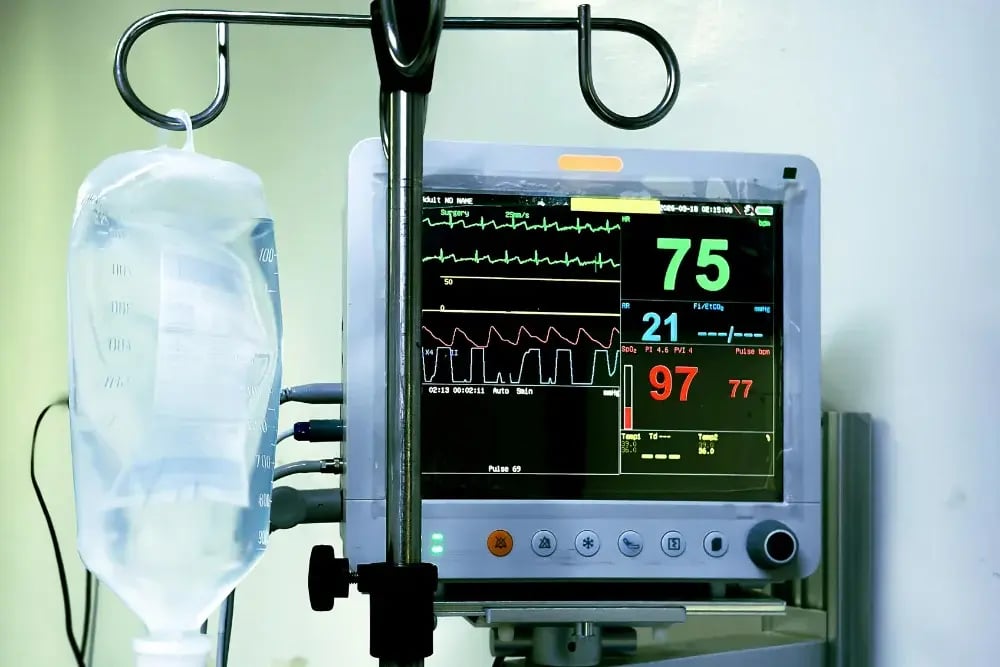
Treatment for rubbing alcohol abuse, especially isopropyl alcohol ingestion, needs immediate medical attention because it's highly toxic. Emergency care involves:
Stabilizing the patient: Administering IV fluids to keep the patient hydrated and maintain blood pressure.
Activated charcoal: Possibly used to limit absorption of the alcohol.
Monitoring: Regular checks of vital signs and blood tests to watch for metabolic acidosis and organ function.
Symptom management: Treating nausea, vomiting, and pain, and addressing central nervous system depression.
Psychiatric care: Once stabilized, a psychiatric evaluation assesses underlying mental health conditions, and counseling and support services are provided.
Long-term treatment: Long-term treatment may involve inpatient or outpatient rehab programs, behavioral therapies, and support groups to address the psychological aspects of substance abuse and prevent relapse.
Alcohol Addiction Treatment at Avenues Recovery
If you or a loved one suffers from any type of substance abuse, including rubbing alcohol abuse, reach out to our experts at Avenues Recovery so we can guide you on your road to recovery. It’s never too late to change the trajectory of your life, and our highly professional staff can show you how. Over 30,000 people have overcome their addictions through Avenues, and you can too! Contact us today to join our vibrant recovery community and begin your journey to an addiction-free future.
FAQs: Can You Drink Rubbing Alcohol?
Is rubbing alcohol the same as drinkable alcohol?
No, rubbing alcohol and drinkable alcohol are not the same thing. Beverages meant for drinking contain ethanol, which the body can process safely in moderate amounts. Rubbing alcohol is made with isopropyl alcohol, a toxic compound that can lead to poisoning, organ damage, or death if ingested.
What happens if rubbing alcohol gets in your mouth?
If you swallow a small amount of rubbing alcohol, it may cause mild symptoms like mouth irritation, stomach upset, and vomiting. But swallowing a larger amount is a medical emergency. If a significant amount has been ingested, call Poison Control immediately at 1-800-222-1222 or dial 911.
Is rubbing alcohol the same thing as vodka?
No, vodka and rubbing alcohol are different products entirely. Vodka is made from ethanol and water and is meant to be consumed, while rubbing alcohol is made from isopropyl alcohol and is intended only for external use only, like cleaning and disinfecting.
Is it safe to use rubbing alcohol as mouthwash?
No, rubbing alcohol should never be used as a mouthwash. It's made of isopropyl alcohol, a toxic substance meant only for external use on things like skin or medical instruments. Putting it in your mouth can cause serious harm.
Is rubbing alcohol the same as 90% alcohol?
Not exactly. "Rubbing alcohol" is a general term that covers isopropyl alcohol concentrations ranging from about 50% to 90%. Higher concentrations can be harsher on the skin, while concentrations that are too low are not that effective. For most disinfectant purposes, a 70% isopropyl solution tends to be the best choice.