

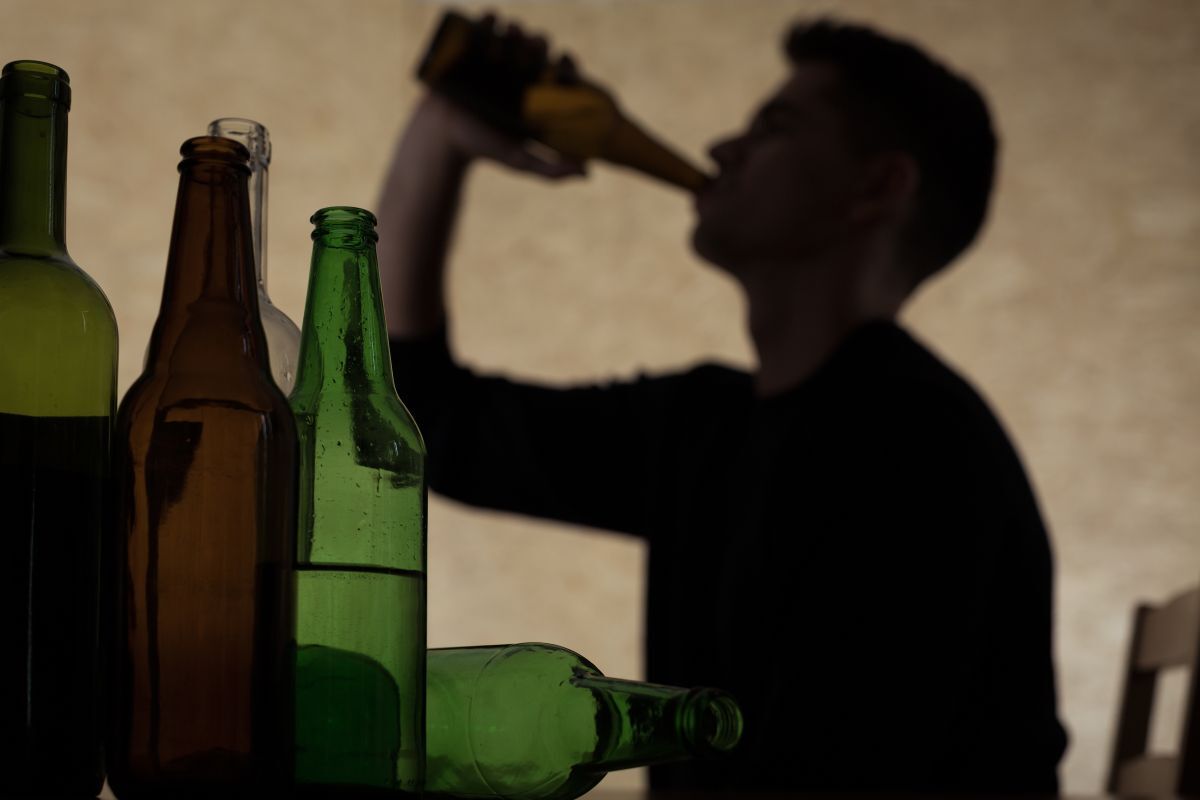
People who regularly use alcohol often feel parched. But does drinking alcohol dehydrate you? The answer is yes; alcohol is a diuretic, which means that it increases the production of urine, thus draining fluid from the body. People who regularly drink alcohol may feel constantly thirsty or experience other adverse effects of dehydration.
Avenues Recovery takes a closer look at alcohol dehydration and offers advice on the best ways to rehydrate after drinking.
Key Takeaways on Dehydration After Alcohol Consumption:
- Drinking large amounts of alcohol can cause dehydration because alcohol is a diuretic, causing increased production of urine.
- Symptoms of alcohol dehydration include dark urine, dizziness, extreme thirst, and headaches.
- Drinking fluids and replenishing electrolytes can help you recover from alcohol dehydration.
- Call 911 if you feel nausea, dizziness, hallucinations, slurred speech, fainting, or seizures.
- Regular alcohol dehydration can lead to kidney issues, seizures, and hypovolemic shock.
Why Does Alcohol Dehydrate You?
Alcohol dehydrates the body primarily by suppressing vasopressin, the hormone that tells the kidneys to conserve water. With less vasopressin circulating, the kidneys return less fluid back into the bloodstream and instead send more of it straight to the bladder. This is why drinking often causes more frequent urination.
This helps explain why dehydration after alcohol consumption can happen even when someone feels like they're drinking "enough" liquid overall. Alcoholic drinks themselves don't count as effective hydration, since the diuretic effect cancels out the fluid intake. Understandably, the more you drink, the more you’ll urinate, leaving you more dehydrated. Over time, repeated dehydration from heavy or frequent drinking can place extra strain on the kidneys and cardiovascular system.
Does Beer Dehydrate You?
Although people assume beer has a very low alcohol content so it doesn't dehydrate you as much as other drinks, beer still triggers the same fluid-loss process as any other alcoholic beverage. That said, because beer has a lower alcohol concentration compared to spirits, it can be somewhat less dehydrating per ounce than a shot of liquor. But people often drink beer in larger volumes and over longer periods, which can offset that advantage.
Because it feels lighter and less intoxicating sip for sip, it's easy to underestimate alcoholic intake from beer over the course of a few hours. Proper hydration is warranted when drinking beer, too.
Alcohol Dehydration Symptoms
If you or a loved one has had one drink too many, you may be experiencing a range of hangover symptoms. It’s important to identify symptoms of dehydration so you can take action to reverse the damage. Here are the symptoms of alcohol dehydration:
- Dark urine
- Extreme thirst
- Headaches
- Dizziness
- Nausea and vomiting
- Fatigue
- Sensitivity to light and sound
How to Recover from Alcohol Dehydration
The most effective way to avoid alcohol dehydration is obviously by limiting the amount of alcohol you drink. If you can’t eliminate alcohol completely from your diet, try lowering the number of drinks you take at the next party, and see if you feel better afterward. There are several steps you could take to help you stay hydrated while drinking.
How to Stay Hydrated While Drinking Alcohol
If you know you’ll be drinking alcohol, try to drink a sufficient amount of water before and during the party. You can also drink electrolyte drinks or any other beverages that can help you stay hydrated. Additionally, space out your alcoholic drinks and try to avoid foods high in fat or sugar, as they increase the need for hydration.
Best Ways to Rehydrate After Drinking
If you’ve had too many drinks and are feeling parched, here are some actions you could take to help your body rehydrate after drinking:
- Rehydrate gradually by taking frequent sips of water rather than downing large amounts at once.
- Replenish electrolytes through sports drinks, oral rehydration solutions, or electrolyte-rich foods like bananas or broth.
- Eat fruits and vegetables that have a high water content, such as cucumbers and watermelon.
- Avoid fatty, sugary, or salty food and beverages, which further dehydrate the body.
- Avoid caffeine, which also serves as a diuretic.
- Rest and give your body time since rehydration and hormone regulation can take several hours.
When to Seek Medical Assistance
Although dehydration from alcohol can usually be treated at home, there are several signs that you may need medical assistance. Call 911 right away if you suspect you may be dehydrated and are experiencing the following symptoms:
- Fainting
- Delirium
- Persistent dizziness
- Seizures
- Nausea
- Slurred speech
- Confusion
- Hallucinations
- Muscle twitching
- Increased heart rate
The Long-Term Risks of Alcohol Dehydration
If you or a loved one constantly binge drinks and finds themselves dehydrated, it’s important to understand the long-term effects. When a person is regularly dehydrated, they can develop kidney stones, urinary tract infections, and even complete or partial kidney failure.
The lack of electrolyte balance in the body can trigger muscle twitches and seizures, and, in rare cases, the person can experience hypovolemic shock. Hypovolemic shock refers to a condition where low blood volume causes a decrease in blood pressure and oxygen levels, which can be fatal.
Safe Drinking Practices
To avoid dehydration and other side effects of overconsumption of alcohol, like hangovers, start practicing healthier drinking habits. For starters, drink moderately. Follow the guidelines for your age, gender, and medical history to know how much is safe for you to drink. If at all possible, try not to drink alcohol at all.
The general CDC guidelines for moderate drinking state that men can drink two cups or less per day, whereas women should not exceed one cup of alcohol a day. It is also important to note that different alcoholic beverages like wine, beer, vodka, and liquor contain different percentages of alcohol, so the amount consumed should be adjusted.

Get Help for Alcohol Addiction
Alcohol dehydration is a serious issue, especially when it occurs frequently. If you or someone you love is struggling with overconsumption of alcohol or alcohol binge drinking, you may be dealing with a serious crisis. Being unable to control the amount you drink puts you at risk for alcohol use disorder, mental health disorders, and irreversible internal organ damage.
At Avenues Recovery, we have helped thousands of people struggling with alcohol dependence or alcohol use disorder. Through our various rehab centers nationwide, we have guided our patients through medical detox, therapy, and long-term sobriety. Reach out today so that our professional, compassionate staff can guide you to a life of serenity, freedom, and health.
FAQs: Does Alcohol Dehydrate You?
How long does the diuretic effect of alcohol last?
The diuretic effect of alcohol can begin within 20 minutes of drinking and usually lasts for several hours after the last drink. For heavier drinking sessions, the diuretic effect can linger well into the next day.
Does (red) wine dehydrate you?
Yes, red wine dehydrates you the same way any alcoholic drink does. Since its alcohol content suppresses vasopressin, it increases fluid loss through urination.
Does liquor dehydrate you?
Yes, liquor dehydrates you, and often more per ounce than beer or wine, since its higher alcohol concentration means a stronger suppression of vasopressin for the same volume consumed. This is why a glass of liquor or vodka can dehydrate you more than an equivalent serving size of a milder drink.
Does light beer hydrate you?
No, light beer doesn't hydrate you. It contains alcohol, which suppresses vasopressin and triggers fluid loss just like regular beer. The reason there’s a beer dehydration myth is the lower alcohol content and the belief that the low concentration won’t cause dehydration. While the smaller alcohol content may mean a somewhat smaller dehydrating effect, it certainly doesn’t have a hydrating effect.
Does alcohol deplete electrolytes?
Yes, alcohol depletes electrolytes because its diuretic effect increases urination, which flushes out key electrolytes along with the fluid. Dehydration and loss of electrolytes usually come hand in hand.