

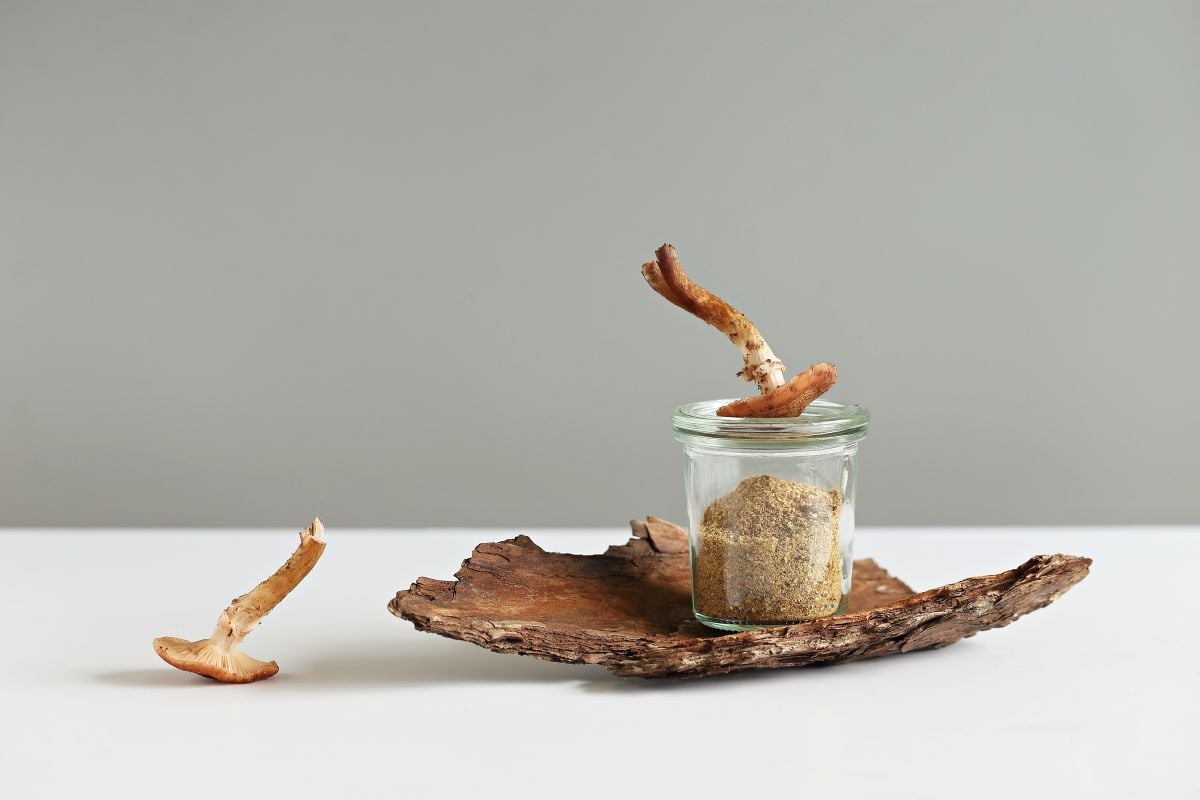
Shrooms are not legal under federal law. However, individual states and cities have enacted policy reforms regarding magic mushrooms. Psilocybin, the compound that makes magic mushrooms psychoactive, is classified as a Schedule I substance under the Controlled Substances Act, which prohibits its use, sale, and possession at the federal level.
Some states have built regulated access programs, and roughly thirty cities have made enforcement a low priority. None of that makes mushrooms legal nationwide. So the honest answer to "are shrooms legal" is: no, they aren’t legal, but some states have changed how they enforce the law.
Avenues Recovery walks through the current law on magic mushrooms: what Schedule I actually means, how legalization, decriminalization, regulated access, and deprioritized enforcement differ, and what legal risks still apply.
Key Takeaways
- Psilocybin, the compound produced by magic mushrooms, is classified as a Schedule I substance under U.S. federal law, making its possession, sale, and use illegal nationwide.
- No state has legalized mushrooms outright, but Oregon, Colorado, and New Mexico have established regulated access or medical programs for supervised use.
- Approximately thirty cities across the United States have chosen to make the enforcement of mushroom offenses a low priority.
- State-level decriminalization or reform does not override federal law, meaning legal risks still apply on federal property, across state lines, and for commercial sales.
- Ingesting magic mushrooms carries multiple physical and psychological risks, ranging from nausea and poor coordination to intense anxiety and unpredictable emotional episodes.
What are Magic Mushrooms?
Magic mushrooms are fungi that naturally produce psilocybin, a compound the body converts into psilocin, which acts on serotonin receptors in the brain to alter perception, mood, and thinking. These mushrooms grow wild across much of the world and are usually eaten dried, brewed as tea, or mixed into food to mask a bitter taste. Effects typically begin within 20 to 40 minutes and last four to six hours.
Federal law places psilocybin and psilocin in Schedule I of the Controlled Substances Act, its most restrictive category. Schedule I is reserved for substances considered to have a high potential for abuse, with no accepted medical use in the United States. Psilocybin has been classified that way since 1970, and as of September 2026, still holds illegal status on the federal level.
Magic mushrooms are also commonly called:
- Shrooms
- Caps
- Boomers
They’re also sometimes referred to as psychedelic mushrooms, since psilocybin is in the category of psychedelics, the umbrella term for all hallucinogenic drugs that alter perception and thoughts by acting on serotonin receptors. All psychedelic substances are federally categorized as Schedule I.
The Effects of Magic Mushrooms
Psilocybin's effects are varied and unpredictable. The same dose can produce calm in one person and acute fear in another. Following are some of the effects an individual may experience after ingesting shrooms:
- Physical: nausea, vomiting, muscle weakness, poor coordination
- Perceptual: visual distortion, altered sense of time, blending of senses
- Emotional: euphoria or intense anxiety, paranoia, emotional volatility
- Difficult experiences: panic and psychotic-like episodes, more likely at higher doses
- Persistent: ongoing anxiety, low mood, or perceptual changes lasting weeks or longer
The Risks of Magic Mushrooms
There are several dangers associated with ingesting magic mushrooms, including:
- Toxic species closely resemble psilocybin-containing ones and may cause poisoning
- Unregulated products may contain undisclosed drugs
- Falls, traffic accidents, and self-endangerment may occur during disorientation
- Prolonged psychosis and mental health issues can be triggered in vulnerable people
- There may be adverse interactions with SSRIs, lithium, and other psychiatric medications
Are Magic Mushrooms Legal?
Magic mushrooms are illegal under U.S. federal law. As a Schedule I controlled substance, the federal law on magic mushrooms in essence prohibits possessing, growing, buying, selling, or manufacturing psilocybin mushrooms.
In recent years, several states and cities have softened or removed their own psilocybin penalties, and some have built licensed programs allowing supervised adult use. They are free to do this because nothing obliges a state to mirror federal drug law or to spend its own resources enforcing it.
That is why the answer isn’t a clean yes or no. Conduct fully permitted under one state's law remains a federal offense at the same time.
Where are Mushrooms Legalized?
Mushrooms are not legalized anywhere. No state has legalized psilocybin the way several have legalized cannabis. There is no state where an adult can walk into a shop and buy mushrooms. What three states have built instead is regulated access: supervised use inside a licensed system, with the substance never leaving the facility.
- Oregon approved Measure 109 in 2020 and opened licensed service centers in January 2023. Adults 21 and over can take psilocybin with a trained facilitator, without a prescription or diagnosis.
- Colorado licensed its first healing centers in 2025 under Proposition 122, and had 34 approved by early 2026. Personal use, growing, and sharing mushrooms without payment are also decriminalized for adults 21 and over, though commercial sale remains prohibited.
- New Mexico passed the Medical Psilocybin Act in April 2025, the first state to authorize psilocybin by legislation rather than ballot measure. It is a strictly medical program requiring a qualifying diagnosis, and treatment centers are not yet open.
Are Shrooms Legal, Decriminalized, or Deprioritized?
As explained above, the correct question isn’t “in what states are mushrooms legal?” but rather “which states have decriminalized mushrooms, deprioritized enforcement, or created regulated access?” These four terms get used interchangeably in headlines, but they describe very different legal positions. Only one of them would make mushrooms legal in the ordinary sense, and no state has done it.
The table below defines each term and specifies which states have applied the different policies to mushroom use.
|
Term |
What It Changes |
Where It Applies |
|
Legalization |
Conduct is permitted outright under state law, with no penalty attached |
No state has legalized psilocybin |
|
Decriminalization |
Possession stays unlawful, but penalties drop to a fine or no prosecution |
Colorado for adults 21+; reduced penalties in several other states |
|
Regulated access |
Supervised use becomes lawful under state law inside a licensed facility |
Oregon service centers, Colorado healing centers, New Mexico (not yet open) |
|
Deprioritized enforcement |
Local police are told to treat it as their lowest priority |
Denver, Oakland, Washington D.C., and roughly thirty other cities |
Legal Risks That Still Apply, Even After State Reform
Conduct permitted under state law stops being permitted the moment it leaves the licensed setting, crosses a state line, or touches federal ground.
- Federal property: national parks, national forests, military bases, VA facilities, federal buildings, and airport security areas are governed by federal law regardless of the surrounding state.
- Crossing state lines: transporting psilocybin between states is a federal trafficking offense, and also breaks the destination state's law. Mailing it is a separate federal crime.
- Sale and distribution: no state permits commercial sale. Selling remains a felony everywhere, and sharing can count as distribution if money changes hands.
- Spores: psilocybin is the scheduled substance, not the mushroom, so spores contain nothing illegal, but possessing them can support a cultivation charge, and several states ban them outright.
- Collateral consequences: mushroom use counts as drug use when it comes to immigration status, security clearances, federal employment, firearm purchases, professional licensing, and custody disputes.
The Law on Magic Mushrooms Evolves Quickly
Psilocybin policy has shifted in dozens of state legislatures over the past few years, and programs that are authorized on paper often take years to actually open. As laws continuously change, here are three important guidelines to keep in mind:
- Verify the current rules in your specific state and city
- Know that mushrooms have not yet been legalized anywhere
- Remember that no state reform alters federal law
Struggling With Shrooms? Get Help
If you or someone you know is struggling with magic mushroom misuse or any other substance abuse, you don’t have to face it alone. At Avenues Recovery Center, we offer personalized treatment plans that address both the physical and emotional aspects of addiction. Reach out to our professional, sympathetic team to learn more about how we can support you on your journey to recovery.
Frequently Asked Questions
Where are psychedelics legal in the US?
Nowhere. Psychedelics remain illegal under federal law in all fifty states, and no state has legalized them outright. Oregon, Colorado, and New Mexico permit supervised psilocybin use through licensed programs, while a number of states and cities have reduced penalties or deprioritized enforcement without making it legal.
Where are mushroom gummies legal?
Whether mushroom gummies are legal depends on what's inside them: any gummy containing psilocybin is illegal under federal law everywhere in the US. Gummies made from functional mushrooms like lion's mane or reishi are sold legally nationwide as supplements. A third category, Amanita muscaria gummies, is not federally scheduled and is widely sold, but the FDA declared its compounds unapproved food additives in December 2024 after reports of illnesses, and Louisiana prohibits them.
Is psilocybin addictive?
Psilocybin isn’t addictive the way opioids or alcohol are, but tolerance builds fast, and problematic use patterns still occur. People who find themselves reaching for psilocybin to manage anxiety, trauma, or low mood are following a pattern worth taking seriously.
Do you need to be an Oregon resident to use a restricted access center?
No, the Oregon Health Authority confirms that clients do not need to live in Oregon, though they must be 21 or older, complete a preparation session with a licensed facilitator beforehand, and consume the psilocybin at the licensed service center.
How can I tell if someone is using magic mushrooms?
During an experience, someone may have widely dilated pupils, appear nauseated or unsteady, seem emotionally intense or detached, and be noticeably altered for four to six hours. Beyond the episode, psilocybin isn't detected by standard drug tests, so what people usually notice first is behavioral: unexplained hours away, withdrawal from family, or unfamiliar dried mushrooms, capsules, or gummies.
What should I do if someone is having a bad reaction?
If someone is having a bad reaction to shrooms, stay with them, move them somewhere quiet and dimly lit, speak calmly, and remind them that what they are feeling is caused by a drug and will pass. Call 911 if they have a seizure, lose consciousness, become physically aggressive or unable to recognize where they are, show signs of overheating or a racing heart, or say anything suggesting they might hurt themselves.